

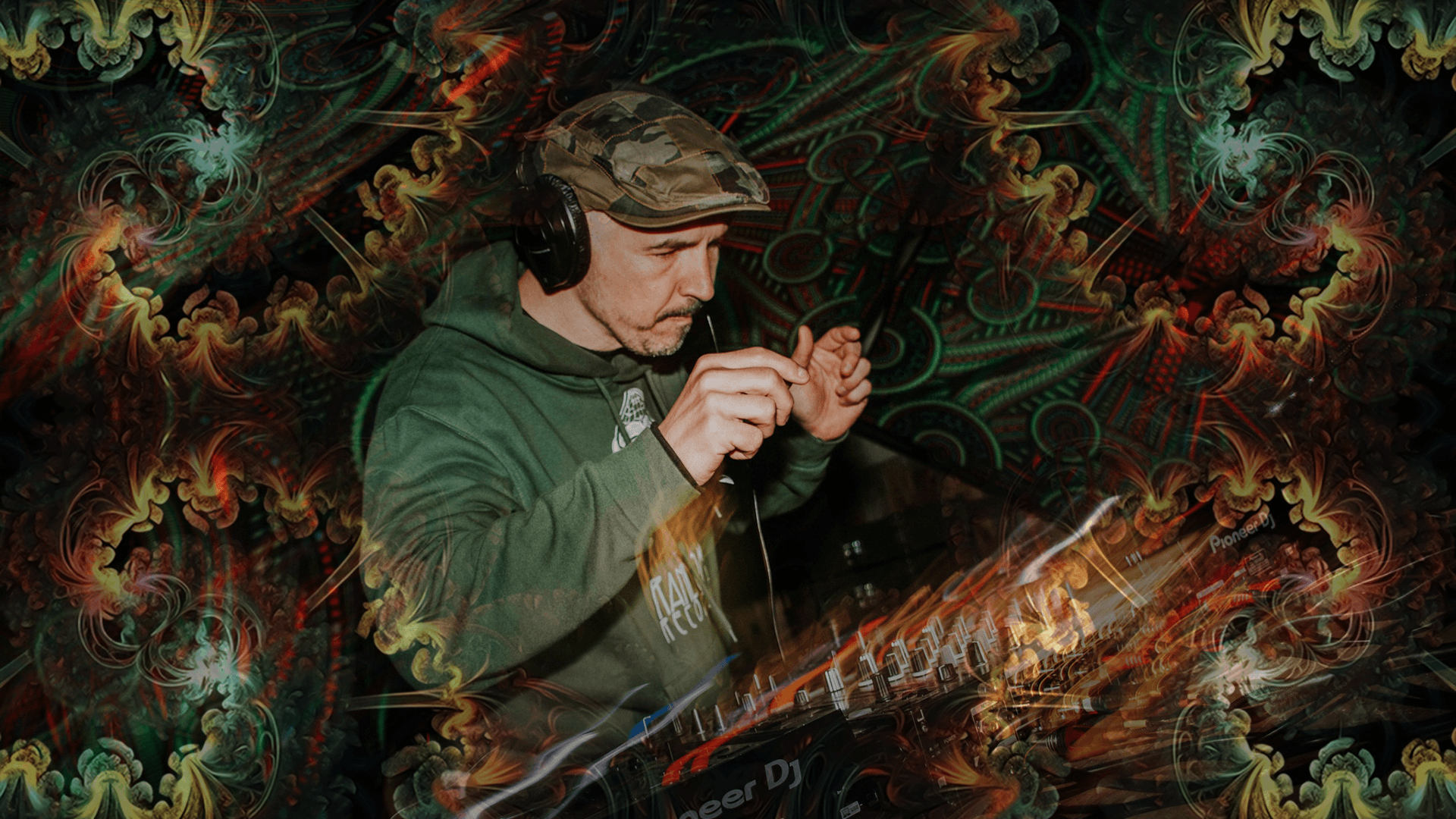
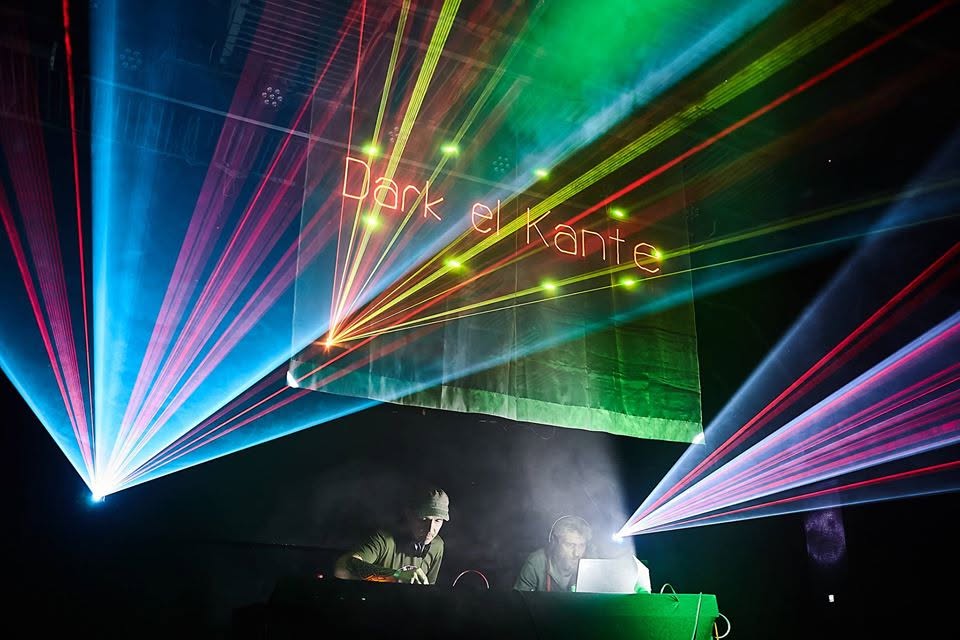
Hi! First of all, congratulations on the release of the 7CD compilation Hallucinations of the Buddha II, where you took on the role of compiler for CD XI – Arcana (compiled by Dark El Kante).
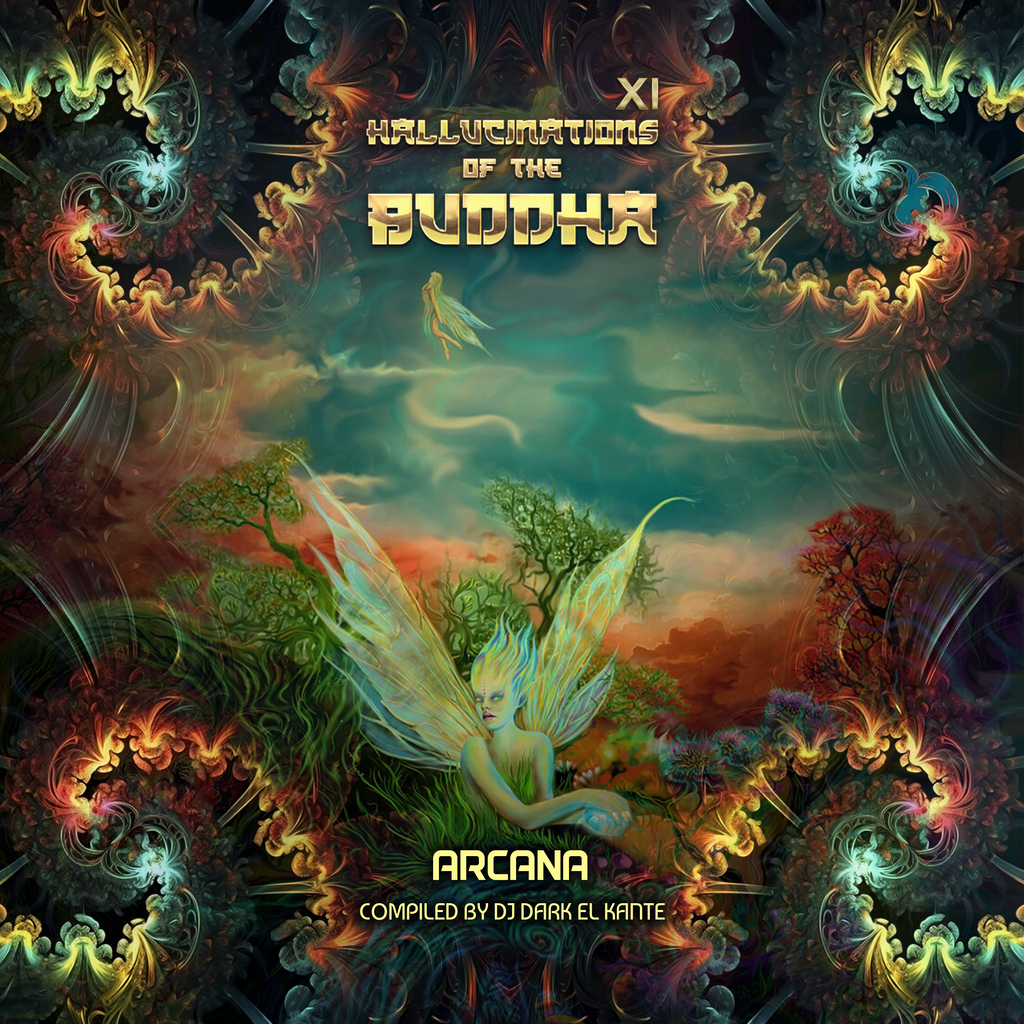
We are very happy and inspired by the work you have done. Tell us how the process went and whether you enjoyed being part of such an experimental project?
It basically started during a trip to Serbia. My friends from Global Sect invited me to play as Dark El Kante at one of their events, and there they asked me if I wanted to compile one of the CDs.
The idea was to make a CD connected with Suomisaundi. I contacted different artists and asked them to make a track inspired by Goa Trance, but without losing their own sound. Goa Trance is one of the early roots of Suomisaundi, so I think the idea came quite naturally to most of them.
The process was really fun. The difficult part is always choosing the tracks. You want good production, of course, but more importantly you want the music to tell the same story. For me a compilation should not just be a folder with eleven good tracks. It needs a personality.
And with Suomisaundi artists, you give them a concept and normally they find a way to make it stranger than you expected. That is part of the fun.
You have a pretty interesting DJ name. What does it mean?
“Dark El Kante” is basically a playful name.
It comes from the Spanish expression “dar el cante”, which can mean to sing out of tune, to stand out in an awkward way, or to behave a bit out of line.
I liked it because it sounds slightly ridiculous and not too serious. It fits my approach to music quite well: a bit weird, a bit off-center, and not interested in being too polished or formal.
How did you first discover psychedelic music, and what led you specifically to Suomisaundi? Why did you choose this particular style?
At the end of the 1990s I started DJing Trance music, with influence from labels like Platipus, Bonzai, Eye Q and others. But around 2001 a friend brought me some CDs from Goa, and soon after I went to my first psychedelic trance party. That completely opened another world for me.
Very early I discovered the more experimental side. I got several CDs from the legendary Australian label Psy-Harmonics, and through artists like Ollie Olsen, Rip Van Hippy and especially Texas Faggott with who I started going deeper into the Finnish sound.
Suomisaundi attracted me because it was fun, experimental, unpredictable and not monotonous. I didn’t want music where after two minutes I already knew what the next six minutes would sound like.
How did the idea of starting Random Records come about, and what was the original concept behind the label?
Random Records started from a very simple idea: I wanted to support the psychedelic music that I personally wanted to hear more of.
I was interested in Suomisaundi, freestyle and experimental psychedelic music, especially music with personality. Not necessarily perfect music, but music where you can feel the personality of the artist.
From the beginning I also wanted to give space to new artists and strange projects that maybe didn’t fit easily on other labels.
The name Random was quite appropriate because the musical direction was never supposed to be completely straight. I take the label seriously, but I don’t want the music to become too serious.
Suomisaundi is an absolutely wild and slightly crazy style of music… In some videos, we see Suomi artists running naked through the winter forest after a sauna, riding tractors across the endless Finnish countryside, and doing all kinds of crazy things.
So tell us — are you actually like that in real life? Do you sometimes behave like a psychedelic punk, or are you a more relaxed person? And can you tell us about a couple of the craziest things you’ve ever done?
I think I am probably much more normal than people expect!
I take the label quite seriously. The artists are normally responsible for most of the real madness. My madness is more in the ideas: strange concepts for compilations, connecting artists that maybe nobody expected, or deciding that an idea that makes very little commercial sense is exactly the idea we should do.
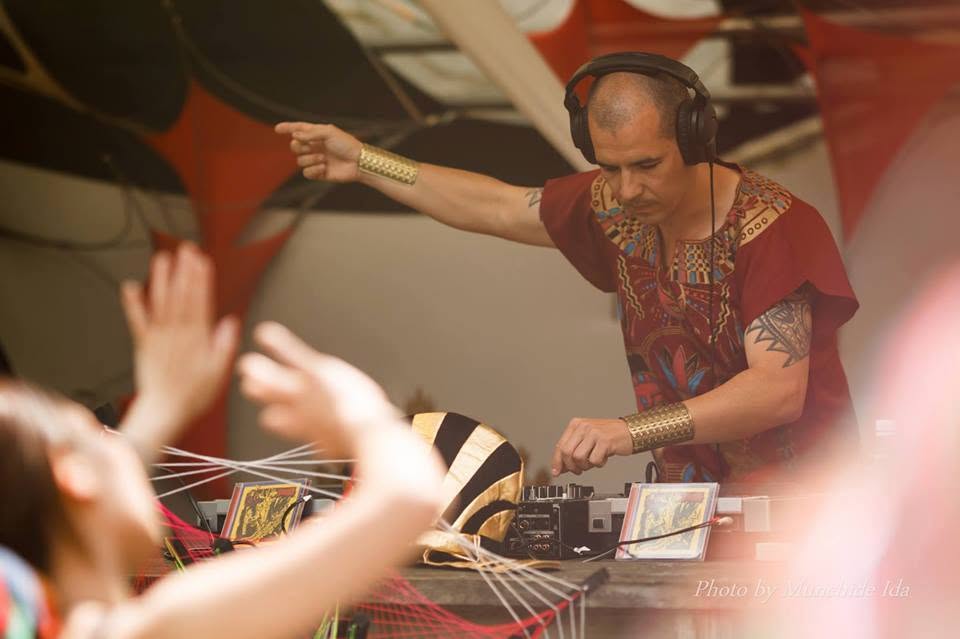
I have never run naked through a Finnish forest in winter. Yet.
Probably one of the craziest things I have done is simply keeping an underground record label alive for all these years while having a completely separate professional life. Sometimes that feels more insane than running naked after a sauna.
And I also have a bad habit of saying yes to playing music in very strange and remote places around the world.
What does Suomisaundi personally mean to you?
For me Suomisaundi means freedom. Freedom to be psychedelic without following one formula. Freedom to be funky, stupid, beautiful, dark, funny or completely confusing in the same track.
I am also very conscious that I am an outsider. I am Spanish, not Finnish, and Suomisaundi comes from a very particular Finnish underground culture and history. I have a lot of respect for that. I don’t try to claim it as mine.
Maybe I am like a guest who arrived many years ago and somehow never left.
At the same time, during the last decade the sound has become much more international. There are producers and sound lovers all around the world now, so I see Suomisaundi today both as a Finnish cultural creation and as a global musical language.
How would you explain the essence of Suomisaundi to someone who has never heard it before?
Imagine Psytrance escapes from the laboratory, runs into a Finnish forest, drinks Koskenkorva, finds a funky bass guitar and forgets the rules.
Musically you can find moving basslines, strange melodies, many layers, unexpected changes, humour, groove and sounds that sometimes seem completely wrong until suddenly they are completely right.
Good Suomisaundi should make your body dance while your brain asks: “What the hell was that?”
What, in your opinion, distinguishes genuine Suomisaundi from experimental psytrance in general?
This is difficult because Suomisaundi itself doesn’t like definitions very much. For me, not every strange Psytrance track is Suomisaundi. There is a certain musical language behind it: groove, playful basslines, unusual arrangements, humour, many layers, sometimes funk or organic sounds, and a very free attitude towards structure.
There is also an important cultural history behind the sound.
But I don’t think you need a Finnish passport to make it. What matters is understanding the spirit. And there is a paradox: the moment we make ten strict rules explaining how to make Suomisaundi, we probably already killed part of the Suomisaundi spirit.
How do you see modern Suomisaundi compared to the music of the late 1990s and early 2000s?
The old music had something very special. The technology was more limited, the production was often rougher, but the ideas were extremely strong. Many artists were discovering things while they were making the music. There was no manual.
Today the production level is generally much better and the scene is much more international. This is positive. You can make incredibly complex music and still have very good sound.
But better production doesn’t automatically mean better music. I think the challenge today is keeping that original personality and freedom. I prefer a slightly imperfect track with a great idea than a technically perfect track with nothing strange happening inside it.
You told us that you travel a lot. Can you tell us about the three most amazing places you have ever visited?
I love travelling and discovering different cultures, so I will choose three completely different places, from different continents.
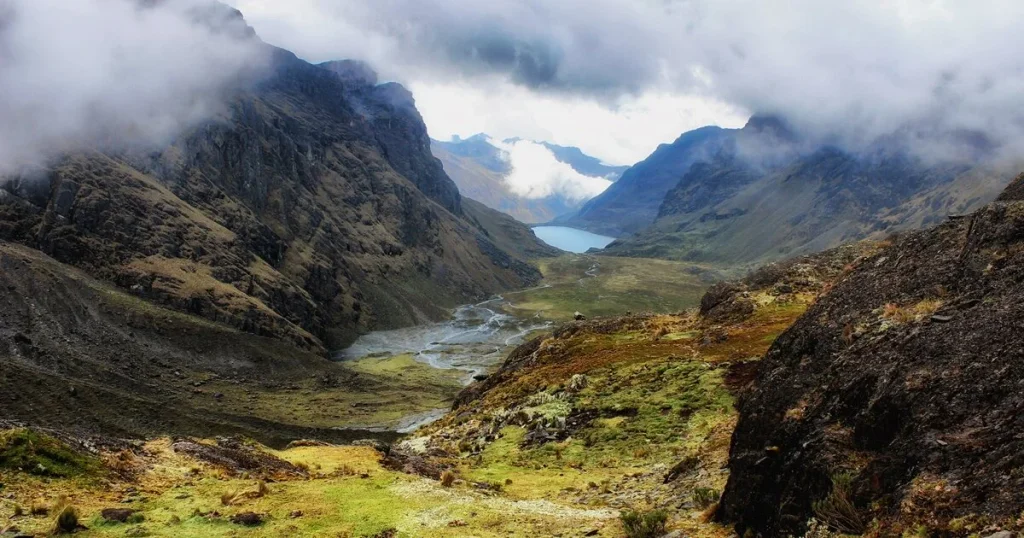
Madidi National Park in Bolivia was incredible because of the biodiversity and the feeling of being surrounded by something much bigger than yourself.
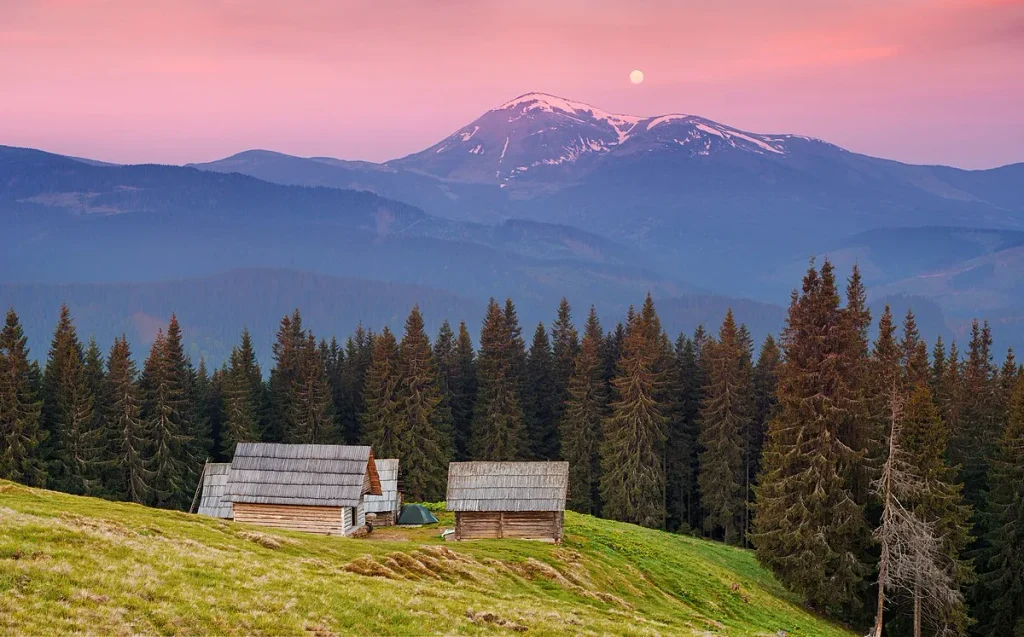
The Ukrainian Carpathians also marked me a lot. The mountains, villages, forests and the atmosphere there are very special.
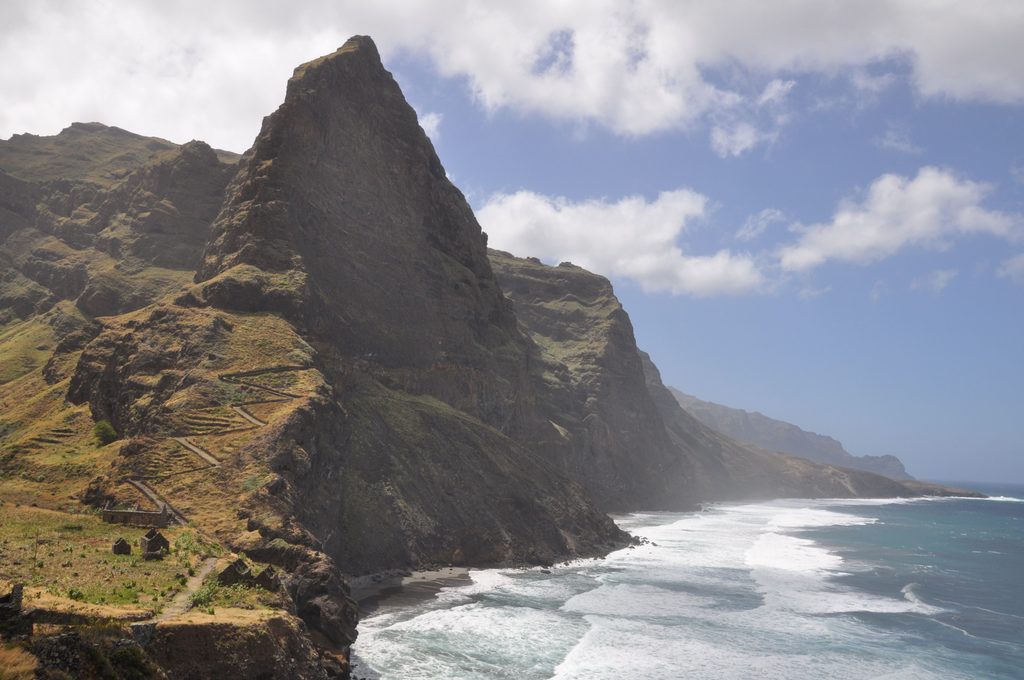
And Santo Antão in Cape Verde is another place I will never forget. The landscapes are almost unreal, and walking through the mountains and small villages there was beautiful.
For me travelling is not only about seeing places. It changes the way you understand people.
What do you look for in music when deciding whether to release a new artist on Random Records?
Personality first.
I want to hear something that makes me curious. It can be psychedelic, funky, strange, deep or funny, but it needs its own identity.
I also like giving opportunities to new projects. Sometimes a young producer doesn’t have perfect production yet, but you can already hear a very strong idea behind the music. Technical problems can sometimes be fixed. Lack of personality is much more difficult to fix.
And of course it has to somehow make sense inside the Random universe. I don’t want to release something only because it is good Psytrance. There are many labels already doing that very well.
Are there any young artists today who you believe could shape the future of Suomisaundi?
JooJoo is definitely one of the younger artists I am watching. I think there is a lot of potential there.
Then there are newer projects that I find very interesting like Ikimieli, Ruskes, Räyhäviina and Savupiippu-ukko. They are not necessarily “young artists” in every case, but they represent new energy and new ideas.
For me the future doesn’t need another artist copying Texas Faggott, Salakavala or Squaremeat perfectly. I prefer people who understand that history and then do something different with it.
Random Records has existed for many years. What continues to motivate you to run the label?
First of all, love for the music.
But after so many years there is something else. Little by little I started feeling that Random Records was respected by artists and by people inside this small scene. At some point I realised that we were not only releasing music anymore. We had become a small part of the history of this sound.
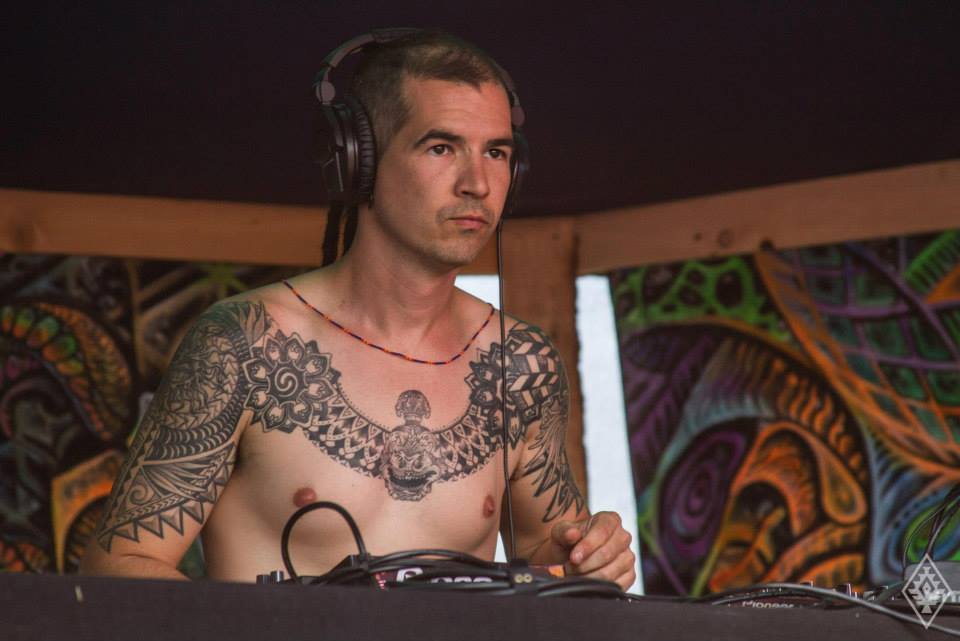
That gives me some responsibility to continue supporting it.
Sometimes I think I created Random Records, but after all these years maybe Random Records also controls me a little bit.
It is a strange animal. It eats most of my free time, but I still like feeding it.
How important is a personal connection with the artists released on the label?
Very important.
For me this scene is too small to treat relationships like a normal music business.
Respect, trust, communication and support are essential. With many artists there is also a real friendship after many years. With others maybe we don’t speak every week, but there is mutual respect and love for the same music.
I don’t need every artist to become my best friend, but I need to feel comfortable with the person behind the music.
What has been the most difficult period in the history of Random Records?
Probably the biggest difficulty has always been time.
I have my personal life and a demanding professional life outside Random Records. The label takes a big part of my free time, and because I manage most things myself, sometimes it becomes exhausting.
The idea of taking a long break, or even stopping for some time, has appeared many times.
But somehow it never happens.
Normally when I am seriously thinking “maybe I need a break”, somebody sends me a crazy new track and destroys the plan.
So the story continues.
Are there any Random Records releases that hold a particularly special place in your heart? Name the five most significant releases for you personally.
This question is horrible.
I will cheat a little because some of my choices are series.
First, Indigenous SOS, because it was the first release and probably the most difficult one. It also showed very early what direction Random could take.
Second, the Saamisaundi series. Three volumes that represent a very important part of the label identity.
Third, the Kiitos series, because the whole idea is about saying thank you to the artists and people who have supported Random.
Fourth, 10 Years of Randomness, because reaching ten years with an underground label felt almost statistically impossible.
Hongos Longos will probably complain now, because his many releases also have a big place in my heart. This is why you should never ask a label owner to choose only five.
Why does Random Records continue to focus on physical releases in the streaming era?
I have thought many times about stopping physical releases.
The sales are small and producing CDs requires money, storage, shipping and time. Economically it would obviously be easier to go completely digital.
But we still have a small and very loyal group of people who really support the physical releases.
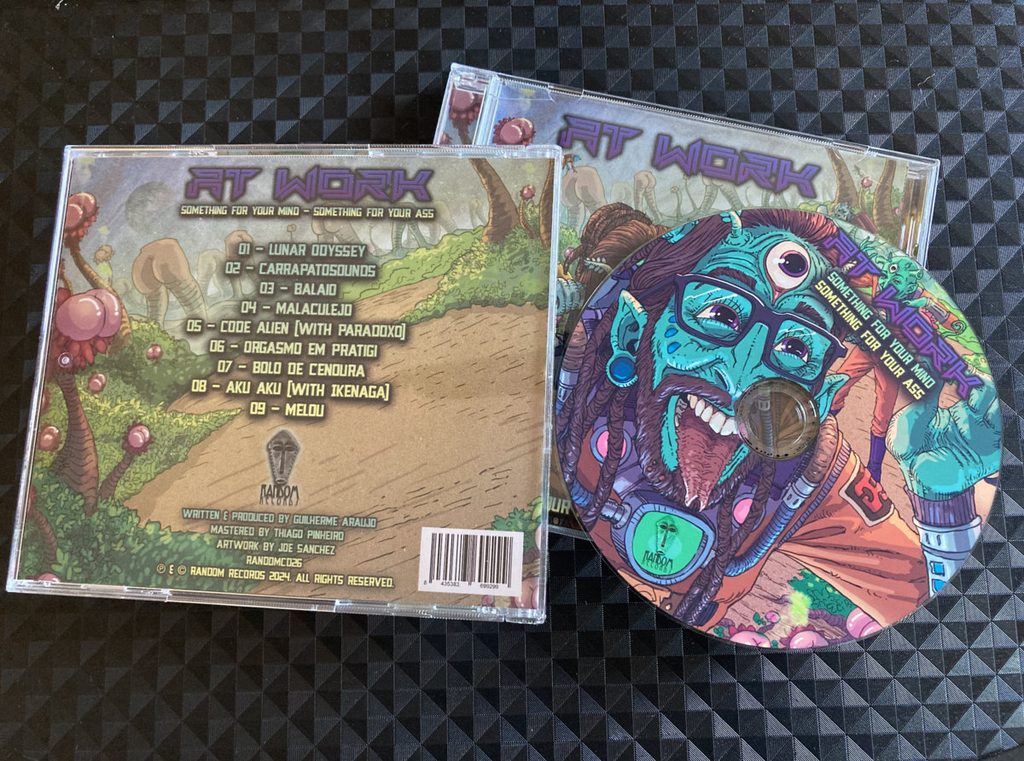
And I understand them. A CD is an object. You have the artwork, the booklet, the music and a memory connected with that release. Streaming is useful, but you don’t really own anything.
So as long as there are enough people supporting the physical releases and the numbers are reasonable, I would like to continue.
How do you see the role of Bandcamp in today’s independent psychedelic music scene?

Bandcamp is still extremely important for small independent labels.
It gives us a direct connection with listeners. People can discover the complete catalogue, follow the label, buy digital music or physical releases and sometimes even pay more than the minimum just because they want to support the project.
That part is fantastic.
But I also think the economic model can improve. After platform fees, payment processing, taxes and other costs, sometimes a surprisingly large part of a sale disappears before the money reaches the artist or label.
Small labels and artists are creating the music, taking the risks, doing the promotion, mastering, artwork and all the boring work behind the release.
So I don’t want Bandcamp to disappear. I would like Bandcamp to keep developing in a way where more money reaches the people actually creating and releasing the music.
Random Records is connected not only with music but also with supporting Indigenous peoples. How did this idea come about?
This started from a personal experience in Colombia.
Many years ago I had contact with a Cofán community, and I became involved in helping with a project connected with buying land for the community.
That experience affected me a lot. It made me understand that supporting Indigenous peoples should not only be a nice message on an album cover. There are very real problems connected with land, culture and survival.
Later, instead of pretending that I personally knew how to manage these issues, I preferred to support organisations with much more experience and credibility, especially Survival International.
Since then this social part has continued to be connected with Random Records whenever possible.
How do you see the connection between psychedelic culture and respect for Indigenous traditions and cultures?
I think there can be a connection, but we need to be careful with this subject.
Indigenous cultures are not psychedelic decoration. Respect is not putting some feathers, a shaman and a sacred symbol on a flyer.
For me respect means listening to people, respecting their land, their rights, their independence and their culture.
The old psychedelic culture had a strong relationship with travelling, nature, alternative spirituality and discovering different ways of living. I still see part of that today.
But I also feel the scene has changed. Sometimes there is less spirituality and community and more ego, social media and creating the perfect thirty-second video.
I don’t want to say the past was perfect, because it wasn’t. And there are still beautiful people and projects everywhere. But I do see some cracks in the scene that are becoming bigger.
Maybe we need a little less TikTok spirituality and a little more real human connection.
You perform all over the world at different parties and festivals. Tell us about some of the most interesting events you’ve played at, and share a couple of memorable or funny things that happened to you along the way. Has anything particularly crazy ever happened?
Some of my favourite experiences have been in places where the natural environment became part of the party.
I played in Bolivia at more than 4,000 metres altitude, on the shores of Loch Ness in Scotland, in Braulio Carrillo National Park in Costa Rica with clouds below us because we were so high, on a beach in Bahia in Brazil, and at a party surrounded by snow in Ukraine.
These are the things I remember most. Sometimes the location itself is already the crazy story.
I was hoping Nessie would come to ask for a promo CD in Scotland, but unfortunately she never appeared.
Some of the most important festivals I have played include Lost Theory in Croatia, Kosmos Festival in Finland, Dance of Shiva in Japan, Connection Festival in Spain, Apsara Festival in Hungary, and ZNA Gathering and Freedom Festival in Portugal.
After playing in many countries, I still prefer events where you feel some connection with nature and with the people around you. A huge UV decor is fine, but a strange forest normally wins for me.
Can Suomisaundi exist without a certain degree of madness?
Probably not.
But I think it needs controlled madness.
If there is no madness, it becomes normal Psytrance. If there is only madness, maybe it becomes somebody falling down the stairs carrying a synthesizer.
The magic is somewhere in the middle.
The best Suomisaundi producers often know exactly what they are doing while making you believe they have absolutely no idea what they are doing. That is a talent.
What would you like to change or destroy in today’s psychedelic scene?
First: no chairs on the dancefloor, please!
Then I would happily remove some egos and fake behaviour.
And I would like to see more variety in festival line-ups. Sometimes you look at different festivals in different countries and 80 or 90 percent of the artists are basically the same.
I understand why promoters book reliable names, but underground culture needs circulation. New artists need opportunities, local scenes need space and audiences need surprises.
If every psychedelic festival has exactly the same line-up, eventually the underground starts looking like a franchise.
If you imagine Random Records 15 years from now, what would you like it to look like?
I hope it is still small enough to be free, strong enough to survive and weird enough to still be called Random.
I don’t dream about becoming a huge label. That was never the point.
I would like to see new generations of artists involved, the old catalogue still respected, new strange projects happening and the social side of the label still alive.
And ideally Random Records should depend a little less on one person’s free time.
If in fifteen years everybody can easily explain what Random Records sounds like in one sentence, maybe something went wrong.
If Random Records were not a record label but a universe of its own, what would exist inside that universe?
There would definitely be no straight roads.
Probably forests, swamps, tropical islands, mountains, old synthesizers, strange animals, mushrooms, broken spaceships and at least one Finnish tractor.
There would be a nightclub with no VIP area.
Somewhere there would be a sauna with a door that opens directly onto a beach in Goa.
Gravity would probably change depending on the bassline.
And nobody would really know who was running the place.
Which, now that I think about it, is not so different from Random Records.
What areas of art, besides music, inspire you?
I enjoy many forms of art without being an expert in any of them.
Cinema, photography, painting and traditional art from different cultures can all inspire me. I especially like art that creates its own world or shows reality from a strange angle.
With Random Records, visual art is also very important because a good cover can give another dimension to the music.
Who is your favorite artist?
Favorite artist: Ollie Olsen
Ollie Olsen has probably been one of my biggest influences because of his freedom. He never seemed interested in staying inside one musical box. That attitude influenced how I understand psychedelic music.
What are your top 3 favorite films?
Blade Runner, because of the atmosphere, the music and the questions about what it means to be human.
Nine Queens, an Argentine film that I love because it is intelligent, funny and full of tricks. You never completely know who is fooling who.
Paprika, because it is pure visual and psychological madness. Dreams and reality mix together in a way that feels very psychedelic.
What are your top 3 favorite books?
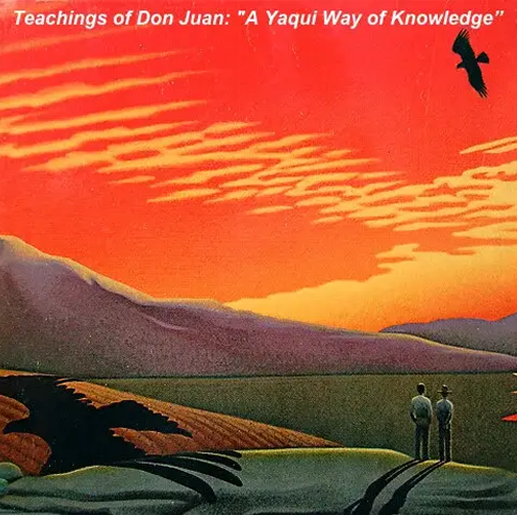
The Teachings of Don Juan, It had a strong impact on me because it plays with different ways of seeing reality and questioning what we think is normal.
The Amazon Is Born in the Sky, by Petru Popescu, I like the combination of travel, nature, adventure and contact with another reality far away from normal urban life.
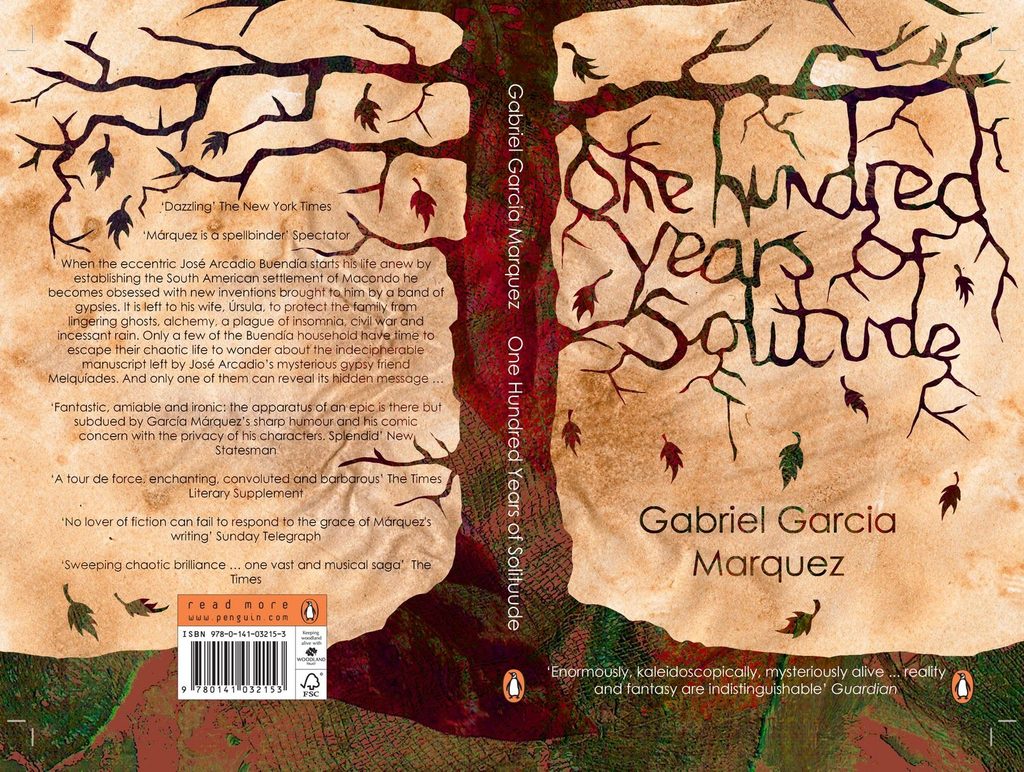
One Hundred Years of Solitude, by Gabriel García Márquez, because normal life, family history, tragedy, humour and magic all exist together. The impossible becomes completely natural.
If humanity suddenly disappeared tomorrow and, thousands of years later, aliens discovered Random Records, what would you want them to understand about humanity after listening to this music?
I would like them to understand that humans were a very strange species.
We made many stupid things, but somehow we were also able to make music, friendships, jokes and beautiful things together.
Maybe Random Records would tell them that some humans didn’t want everything to be perfect, efficient or easy to understand.
Sometimes we liked chaos.
Sometimes we turned chaos into groove.
And sometimes eleven completely crazy sounds playing at the same time made perfect sense.
I would only ask the aliens one thing:
Please don’t remaster the catalogue with too much limiter.
Thank you very much for the interview and for the excellent work you’ve done! We wish you all the best, and we wish Random Records many more years of longevity and prosperity.
Random Records – Facebook
Random Records – Instagram
DJ Dark El Kante – Facebook
Booking: random-psy@hotmail.com